The Mumbai-Ahmedabad bullet train (MAHSR) is India's first high-speed line: 508 kilometers long, designed to reach a speed of 320 km/h, using Japanese Shinkansen technology. Travel time between the two cities will be reduced from about six hours to just over two. As of July 13, 2026, the construction site has passed major structural milestones, with the first commercial run expected in August 2027.
A route almost entirely on viaduct
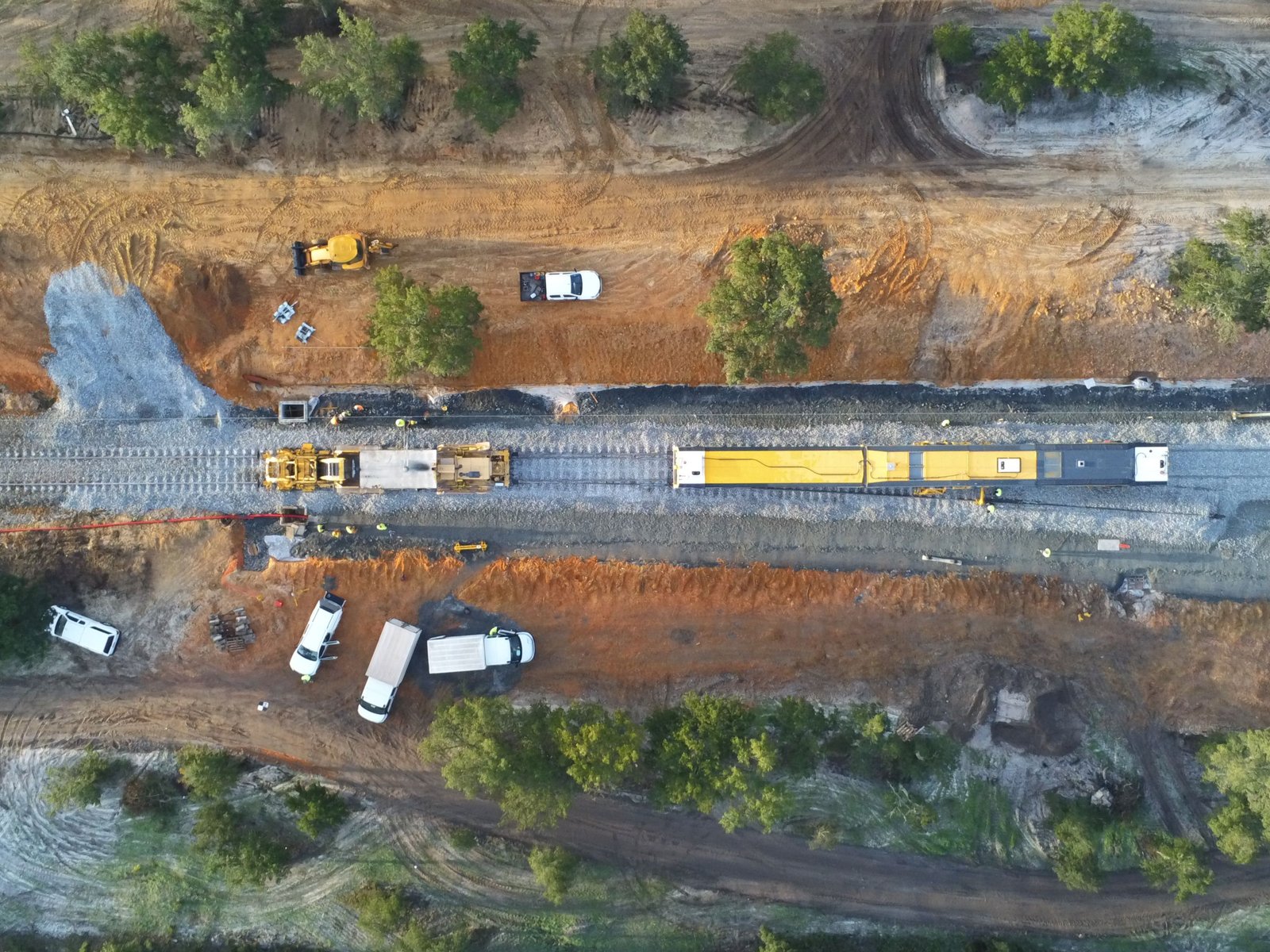
The line crosses Gujarat (348 km), Dadra and Nagar Haveli (4 km), and Maharashtra (156 km), serving 12 stations and three depots. The predominant design choice is a continuous viaduct, which keeps the track elevated above the terrain, reduces interference, and simplifies geometric control over long distances. As of July 13, 2026, 357 km of viaduct, 212 km of supporting slab, 199 km of overhead line poles, and over 600,000 noise barriers have been completed.
508 km at 320 km/h, 357 km of viaduct already built, a 7 km underwater tunnel and an underground station 32 m deep.
Plate armament and 320 km/h tolerances
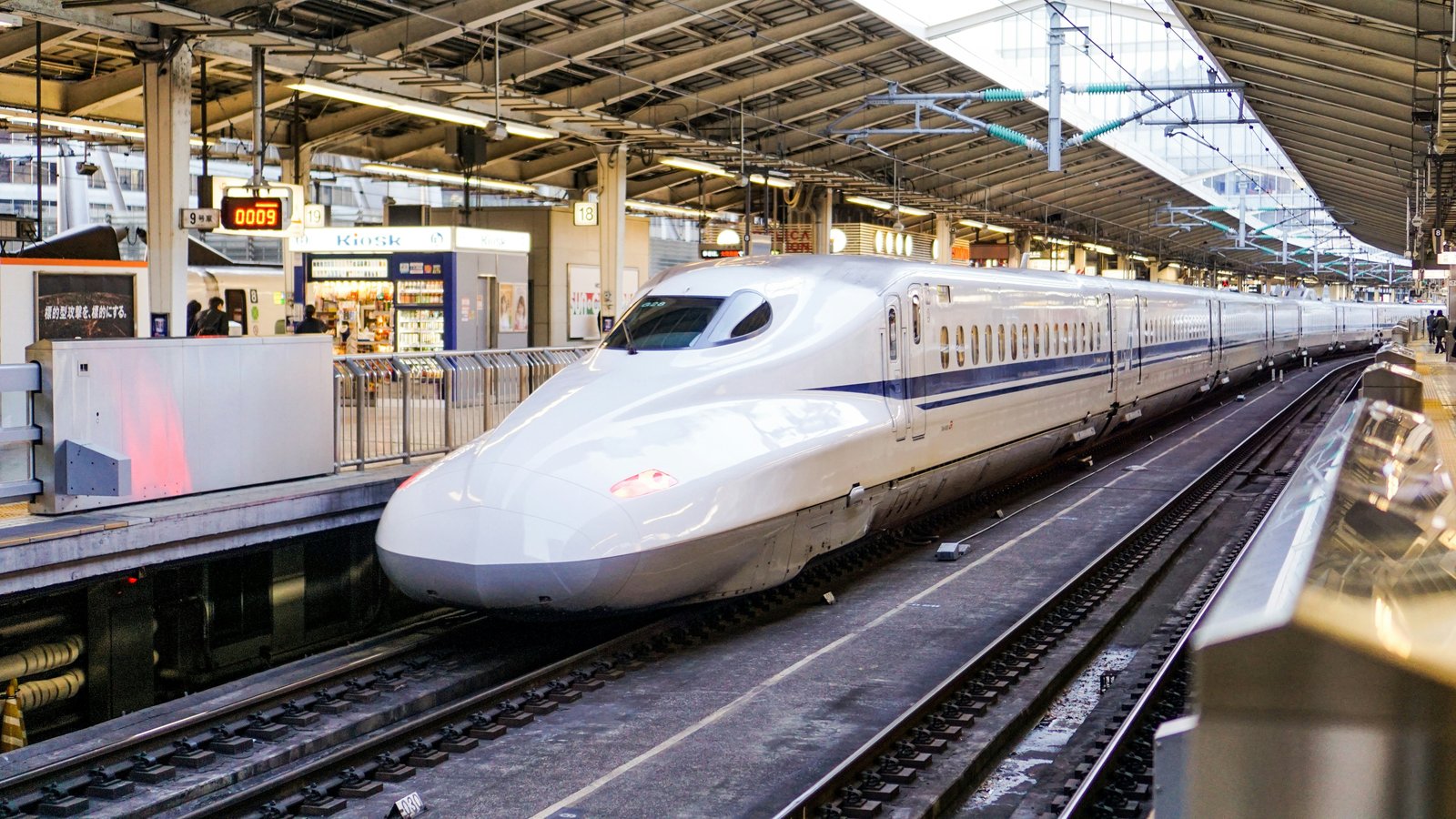
The line uses Japanese-style slab track (J-slab), a ballastless system in which the rail is secured to prefabricated slabs rather than traditional ballast. On a 320 km/h line, this solution guarantees the geometric stability and reduced maintenance required for high-speed operation, but requires extremely precise installation: of the 200 km of slabs produced, only 88 km were installed. The rolling stock will be based on the E10 Shinkansen train, supported by an Indian-built train.
The underwater tunnel and the underground station
The most complex elements of the route are concentrated on the Mumbai side. The line's only undersea tunnel, approximately 7 kilometers long, is under construction here, passing under Thane Creek as part of a larger double-track tunnel. The BKC (Bandra-Kurla Complex) station will be the corridor's only underground station and India's first underground high-speed station, located 32 meters below ground level, right in the heart of the city.
Bridges, steel and construction site numbers
The route spans 25 rivers with as many bridges (17 completed): the longest, over the Vaitarna, measures 2,320 meters. In addition, there are 28 steel bridges (14 completed) requiring a total of approximately 65,000 tons of steel, and eight mountain tunnels. The first section to open will be the Surat–Bilimora, scheduled for August 2027; the entire corridor is expected to be completed by the end of 2029. The estimated cost has risen from approximately Rs 1.08 lakh crore to nearly Rs 1.98 lakh crore.
Sources: YourStory (13/07/2026), based on data from the National High Speed Rail Corporation (NHSRCL). Data verified with sources at the time of writing; progress figures are updated as of 13/07/2026.