The Yangtze River has always been crossed by railway bridges. With the Caiyuanba Tunnel, completed on July 24, 2026, a high-speed line passes under its bed for the first time. The project is part of the Chongqing–Xiamen corridor, approximately 1,600 km long, and is designed for speeds of 350 km/h.
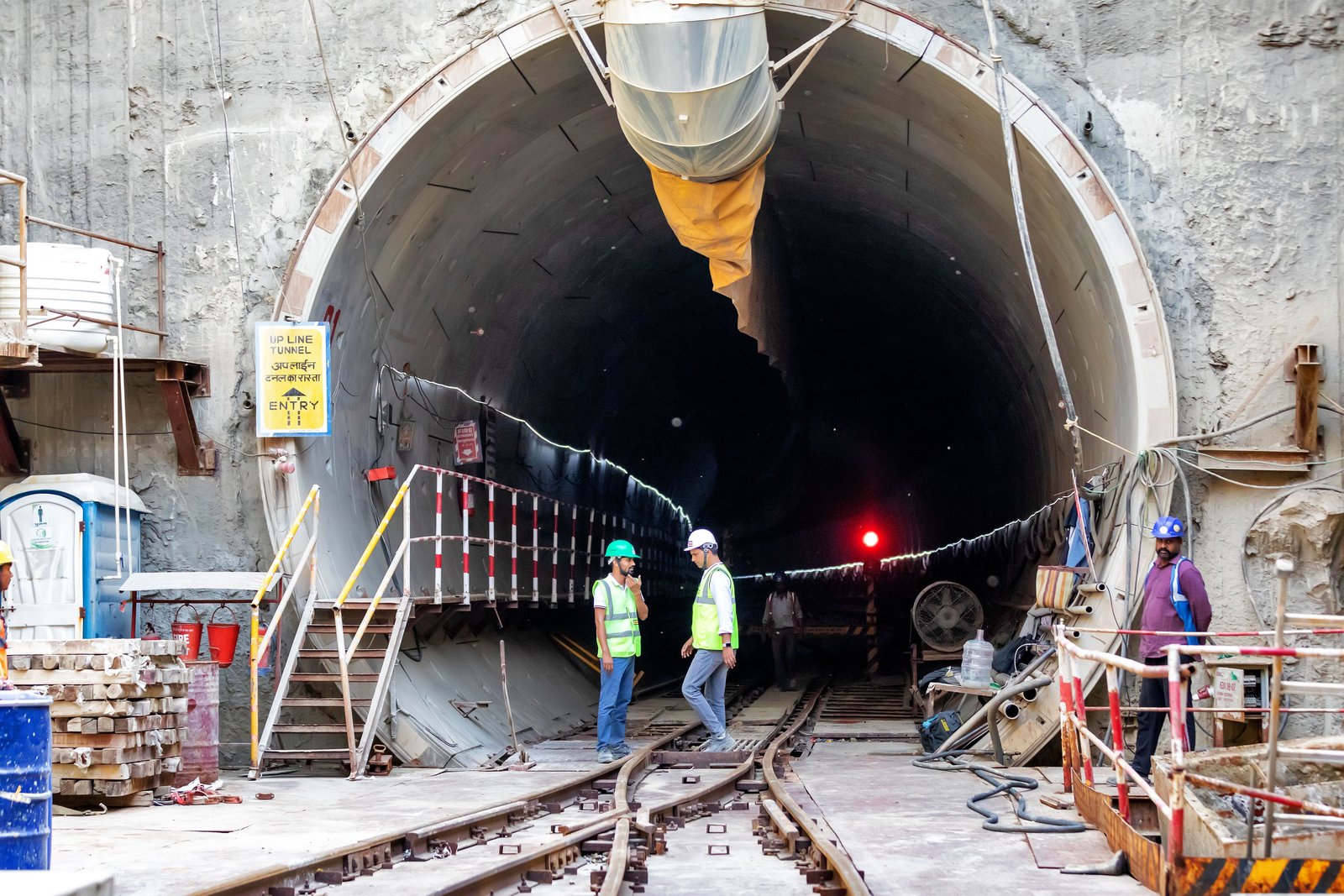
Why under the river and not above
The decision to go underwater stems from Chongqing's urban context. The Yuzhong Peninsula and the southern bank are densely built up and surrounded by hills: there was no room for the entrances and ramps of a new bridge high above the river, in an already saturated urban fabric. The 11.9 km-long tunnel solves the crossing by going deep, with a minimum depth of about 10 meters below the riverbed at the most critical point.
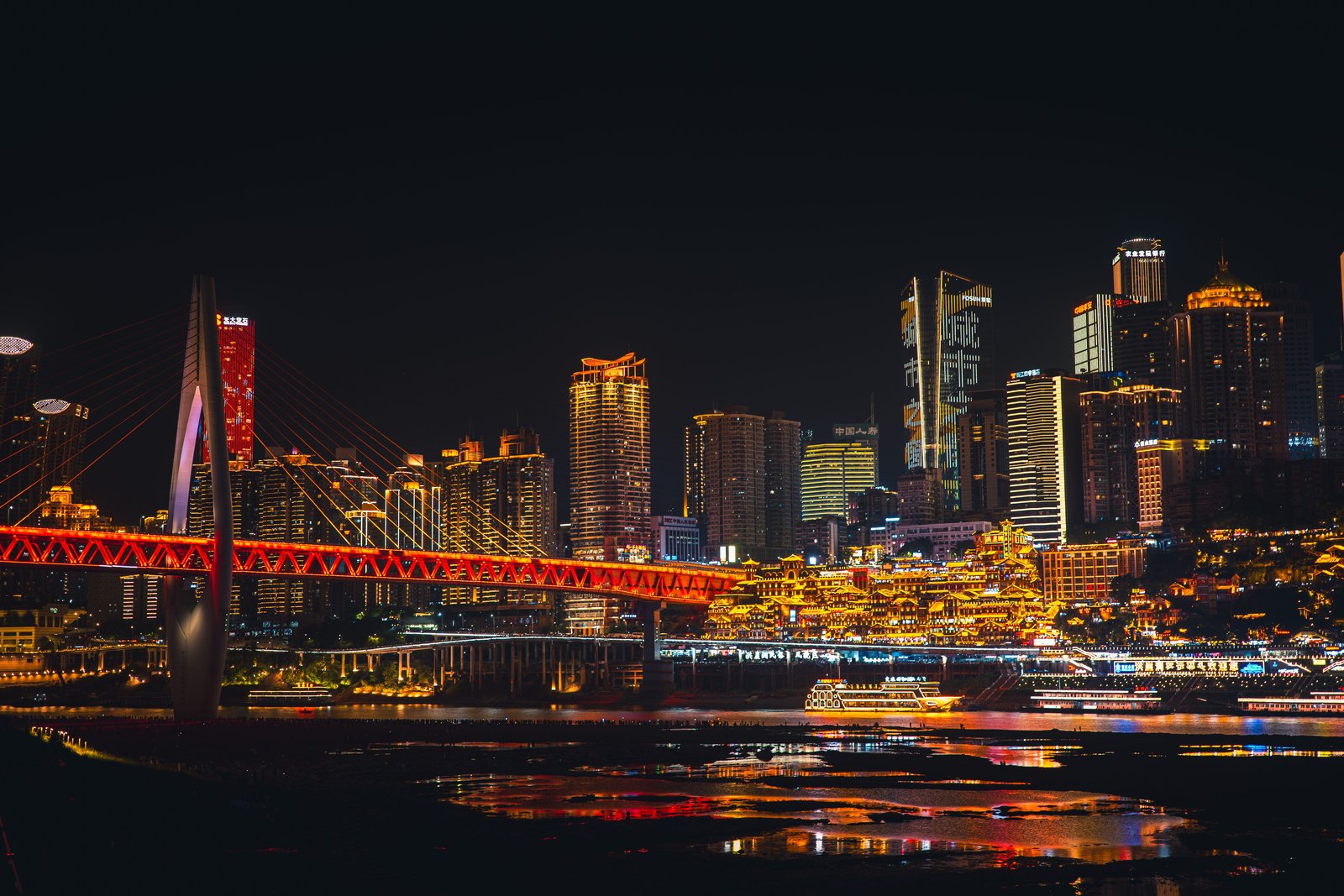
11.9 km of tunnel, excavated with a 12.6 m diameter TBM, maximum water pressure of 9 bar and minimum cover of approximately 10 m below the riverbed.
A custom-made cutter for 9 bar of water
The excavation was carried out with a custom-built Mixshield full-face tunnel boring machine (Herrenknecht), with an excavation diameter of 12.6 meters. This technology maintains pressure on the face by counteracting the soil and water with a bentonite mixture, a crucial requirement when working under a large river. In the deepest sections, the machine operated against hydraulic pressures of up to 9 bar, equivalent to a water column of approximately 90 meters.
Karst, faults, and gas: the most treacherous geology
The route traverses a particularly complex geological landscape: karst formations, a fault zone, and an area affected by coal seam gas. Each of these elements introduces specific risks. Karst cavities and fractured zones can generate sudden water inflows and pressure losses at the face; the presence of gas requires continuous monitoring of the tunnel atmosphere and explosion-proof measures. Under these conditions, monitoring the excavation face, overpressures, and surface subsidence becomes an integral part of the construction method, not simply a post-construction check.
A piece of the Chongqing–Xiamen corridor
The tunnel is part of a high-speed line that will connect inland Sichuan and Chongqing to the Fujian coast. Completion of excavation, with the TBM breakthrough in September 2025 and formal completion of the work in July 2026, will solve one of the most challenging issues along the entire corridor.
Sources: Railway Gazette International (31/07/2026); Herrenknecht technical documentation. Data verified at the time of writing.